

This audio is auto-generated. Please let us know if you have feedback.
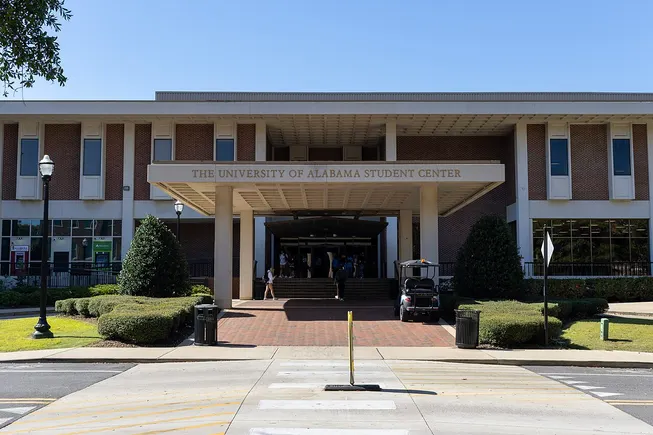
The University of Alabamadoes not have to reinstate two student magazineswhile a lawsuit against their indefinite suspension plays out, per a federal ruling last month.
The ruling marks a legal win for the University of Alabama, which is being sued by student journalistsover its decision to abruptly shutter the publicationsin December.Each magazine was student run but funded and operated by the university’s Office of Student Media.
University officials worried that the publications — Alice, a magazine geared toward women students, and Nineteen Fifty-Six, one designed for Black students — could pose a liability as the Trump administration threatens colleges over what it deems illegal diversity efforts or discrimination.
googletag.display(‘dfp-hybrid1-mobile’)); googletag.pubads().addEventListener(‘slotRenderEnded’, function (event) { var adUnitPath = ‘/3618/highereddive/highereddivehybrid1’; var onProformative = false; if (onProformative && event.slot.getAdUnitPath() === adUnitPath && !event.isEmpty ) { var adUnitPathWithVisibility = adUnitPath + ‘-mobile’; var selector = ‘.pf-comments__ad-wrapper #dfp-hybrid1-mobile’; if (!$(selector).closest(‘.pf-comments__ad-wrapper’).hasClass(‘borders’)) { $(selector).closest(‘.pf-comments__ad-wrapper’).addClass(‘borders’) } } }); } }); }); ]]>
googletag.display(‘dfp-hybrid2-desktop’)); googletag.pubads().addEventListener(‘slotRenderEnded’, function (event) { var adUnitPath = ‘/3618/highereddive/highereddivehybrid2’; var onProformative = false; if (onProformative && event.slot.getAdUnitPath() === adUnitPath && !event.isEmpty ) { var adUnitPathWithVisibility = adUnitPath + ‘-desktop’; var selector = ‘.pf-comments__ad-wrapper #dfp-hybrid2-desktop’; if (!$(selector).closest(‘.pf-comments__ad-wrapper’).hasClass(‘borders’)) { $(selector).closest(‘.pf-comments__ad-wrapper’).addClass(‘borders’) } } }); } }); }); ]]>
Student journalists from the magazines sued the institution’s trustees in March, arguing that the indefinite suspensions violated First Amendment protections against censorship and viewpoint discrimination.
But U.S. District Judge Edmund LaCour Jr. rejected their request to restore the publications while the case is heard, ruling that the students had not demonstrated that their case was likely to succeed.
Without a viewpoint, there can be no viewpoint discrimination.

Edmund LaCour Jr.
U.S. District Judge
The eight plaintiffs — represented by the Southern Poverty Law Center, the Legal Defense Fund and the American Civil Liberties Union of Alabama — argued that the university’s decision to block those magazines because of their target audiences was “a prohibited form of viewpoint discrimination.”
LaCour, a Trump appointee and former state solicitor general,rejected those arguments in his 37-page opinion.
The students are not arguing “a unified women’s or black viewpoint” exists, LaCour said.
Nineteen Fifty-Six, for example, was a magazine “defined by its content — articles and photography focused on black students — not by a black viewpoint,” he said. “Without a viewpoint, there can be no viewpoint discrimination.”
The students’ framing, if accepted, would render the distinction between content and viewpoint meaningless and “subject every editorial programming decision to potential constitutional litigation,” LaCour continued.
Under the students’ argument, suspending a sports magazine would “likely discriminate against a ‘sports viewpoint,'” according to the judge.
Steven Hood, University of Alabama’s vice president of student life, said in April that the institution never “exerted editorial control over the content” in Alice or Nineteen Fifty-Six. Instead, officials decided to shut down the university-funded publications altogether — something LaCour ruled they were within their rights to do.
This ruling flouts almost six decades of precedent recognizing the First Amendment right of students to engage in speech on campus.
Avatara Smith-Carrington
Assistant counsel at Legal Defense Fund
“A landlord who permits a tenant to arrange the furniture does not thereby surrender ownership of the building,” he said. “And the University sets the conditions — affiliation status, funding levels, staffing, and branding — within which student editors exercise their discretion.”
The Legal Defense Fund on Wednesday expressed disappointment in LaCour’s decision.
googletag.display(‘dfp-hybrid2-mobile’)); googletag.pubads().addEventListener(‘slotRenderEnded’, function (event) { var adUnitPath = ‘/3618/highereddive/highereddivehybrid2’; var onProformative = false; if (onProformative && event.slot.getAdUnitPath() === adUnitPath && !event.isEmpty ) { var adUnitPathWithVisibility = adUnitPath + ‘-mobile’; var selector = ‘.pf-comments__ad-wrapper #dfp-hybrid2-mobile’; if (!$(selector).closest(‘.pf-comments__ad-wrapper’).hasClass(‘borders’)) { $(selector).closest(‘.pf-comments__ad-wrapper’).addClass(‘borders’) } } }); } }); }); ]]>
“To be clear, this ruling flouts almost six decades of precedent recognizing the First Amendment right of students to engage in speech on campus,” Avatara Smith-Carrington, the fund’s assistant counsel,said in an emailed statement. “The First Amendment prohibits public universities from censoring student expression simply because administrators disagree with or fear certain viewpoints.”
Smith-Carrington said the plaintiff team is assessing its options, including whether to appeal.
Behind the University of Alabama’s decision
The university’s decision to shutter the magazines took effect immediately, though university officials told the court that they honored the stipends to paid staff writers through the end of the academic year.
When Hooddiscussed the news during a meeting with magazine staff, he cited a 2025 U.S. Department of Justice memo on discrimination.That guidance warned that a wide range of policies could run afoul of antidiscrimination law. This included offering space or resources with an “identity-based” focus, even if they are open to all.
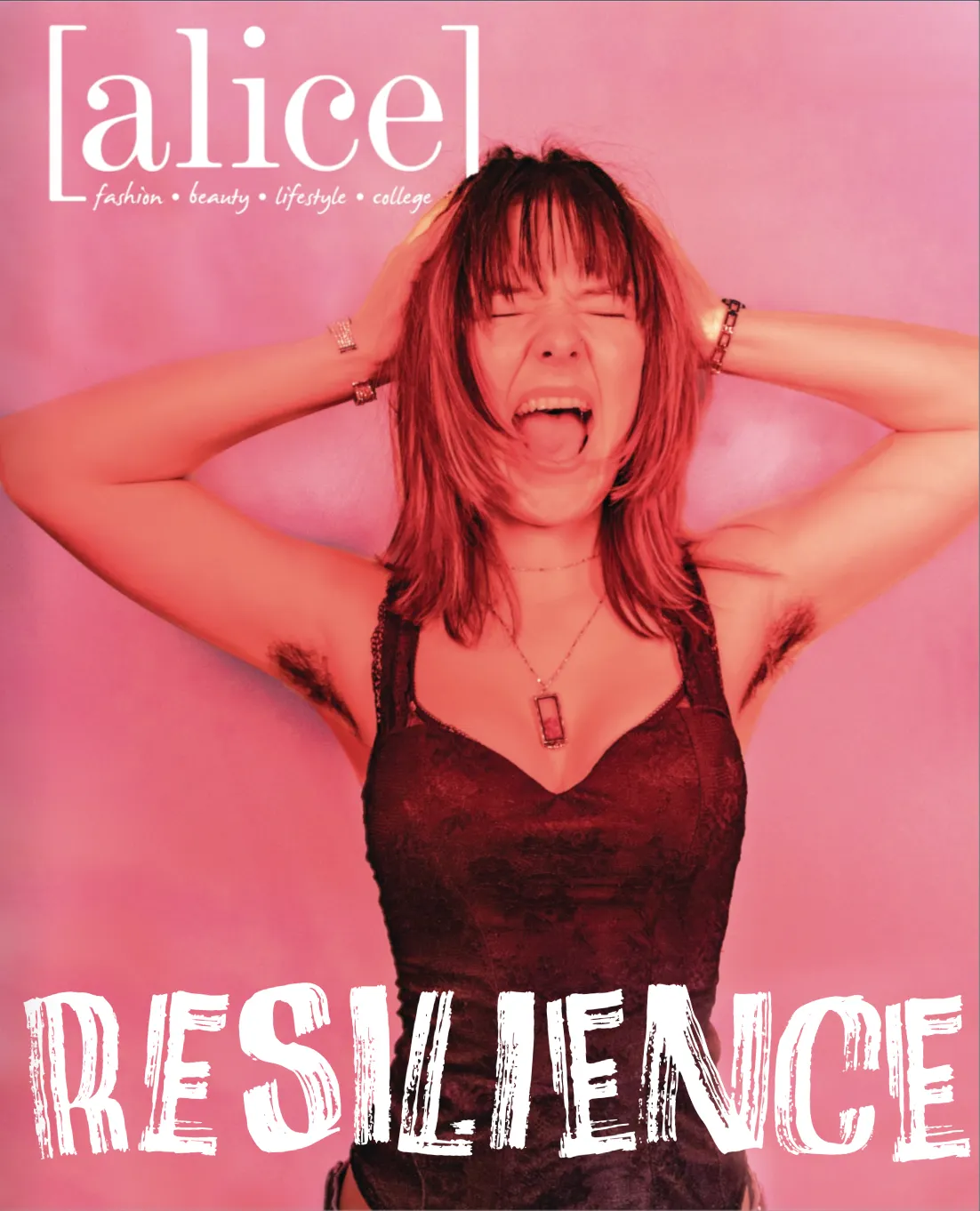
Alice Magazine’s final issue cover
Retrieved from Alice Magazine / The University of Alabama on June 03, 2026
Per the lawsuit, Hood told student staff that Alice and Nineteen Fifty-Six had been suspended because they “target primarily specific groups” rather than because of their content.
Alice described itself as “a fashion and wellness magazine that serves the students of the University of Alabama.” It took its name from the university’s mascot, Big AI.
Nineteen Fifty-Six was “a black student-led magazine that amplifies Black voices within the University of Alabama’s community,”according to the introduction in each issue.It was named after the year the university enrolled — and promptly expelled — its first Black student.
Hood defended the university’s decision in an April affidavit. He told the court that the university had become concerned that Alice and Nineteen Fifty-Six were “‘by and for’ students of only one race or sex.”
“Even though Alice and Nineteen Fifty-Six were technically open to all students, it appears that for at least the past two academic years, the paid staff has consisted entirely of black students for Nineteen Fifty-Six and female students for Alice,” Hood said.
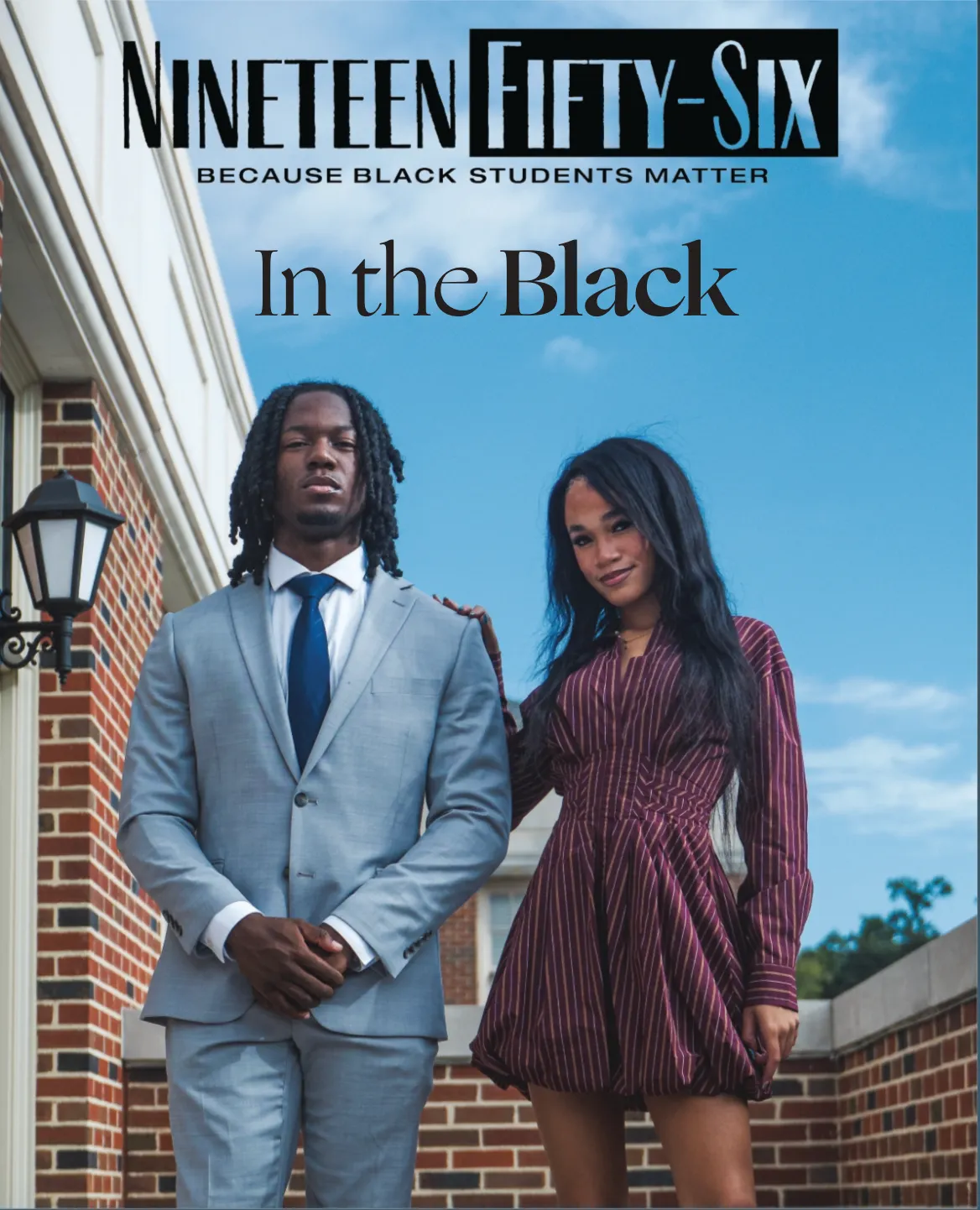
Nineteen Fifty-Six magazine’s final issue cover
Retrieved from Nineteen Fifty-Six / The University of Alabama on June 03, 2026
Officials shuttered the publications to avoid the perception that participation in any publication funded and published by the university was being “encouraged or discouraged based on students’ race and sex,” he said.
Along with the DOJ memo, Hood cited February 2025 guidance from the U.S. Department of Education that threatened to pull federal funding from colleges if they engaged in diversity, equity and inclusion practices the agency deemed unlawful. A federal judge struck down that guidance as unconstitutional in August, four months before the University of Alabama pulled the plug on Alice and Nineteen Fifty-Six.
Alice and Nineteen Fifty-Six get second life
The loss of Alice and Nineteen Fifty-Six prompted outcry from University of Alabama students and alumni, as well as from free speech advocates at large. A petition for the university to reinstate the publications had gained over 3,000 signatures as of Wednesday afternoon.
In December, the editorial board of The Crimson White, the university’s student newspaper, described the shuttering of the publications as “a new low” for the administration and “the latest in a series of major instances of the University spinelessly kowtowing to conservative politicians at students’ expense.”
The University of Alabama did not respond to questions Wednesday.
This spring, however, Alice and Nineteen Fifty-Six got a second life.
googletag.display(‘dfp-hybrid4-desktop’)); googletag.pubads().addEventListener(‘slotRenderEnded’, function (event) { var adUnitPath = ‘/3618/highereddive/highereddivehybrid4’; var onProformative = false; if (onProformative && event.slot.getAdUnitPath() === adUnitPath && !event.isEmpty ) { var adUnitPathWithVisibility = adUnitPath + ‘-desktop’; var selector = ‘.pf-comments__ad-wrapper #dfp-hybrid4-desktop’; if (!$(selector).closest(‘.pf-comments__ad-wrapper’).hasClass(‘borders’)) { $(selector).closest(‘.pf-comments__ad-wrapper’).addClass(‘borders’) } } }); } }); }); ]]>
Students rebranded and relaunched the magazines as independent publications with assistance from Masthead, an alumni nonprofit focused on supporting University of Alabama student journalists of color.
Selene, the successor to Alice, celebrated its first issue on April 9. Sixty-Three, the successor to Nineteen Fifty-Six, did the same one day later.
The revitalized publications launched after Masthead raised $25,000 in just four days to support them. The alumni group has since extended its fundraising goal by another $60,000 to cover printing, writers stipends and other costs as students “fight for their free speech rights in court,” according to its website.
The University of Alabama, meanwhile, has pitched its own replacement for Alice and Nineteen Fifty-Six.
It is currently developing a new feature magazine for students meant to “encourage engagement and participation from all members of the student community, regardless of their race, sex, or viewpoint,” according to Hood. He said the university “hopes the former contributors to Alice and Nineteen Fifty-Six will seek to work with the new magazine.”
LaCour noted in his May opinion that the yet-to-be-titled publication’s first editor-in-chief is a former Alice staff member.
Jaleel Matanmi, a former Nineteen Fifty-Six contributor and one of the plaintiffs, attended a meeting for the new magazine, per court documents.
However, Matanmi decided not to join because he said he does not believe “that the perspectives and views shared in Nineteen Fifty-Six are welcomed” or that the publication “will highlight and amplify the experiences of Black students at UA,” the complaint said.
His sentiment echoed that of The Crimson White editorial board.
The university’s “assurances that students could still publish the same content elsewhere” do not make its shuttering of Alice and Nineteen Fifty-Six less of a First Amendment violation, the newspaper’s board said. And the new magazine is poised to “compel students to adopt entirely different, more generalized editorial visions.”