
[]
Home response.text()) .then(data => new DOMParser().parseFromString(data, “text/html”)) .then(dom => dom.querySelector(“div.uos-sitemap”)) .then(sitemap => getBreadcrumbsFromSitemap(sitemap)) .catch(() => getBreadcrumbsFromPath()) .then(breadcrumbs => buildBreadcrumbsHtml(breadcrumbs)) function findElementToStartFrom(sitemap) { let element = sitemap.querySelector(“a[href='” + windowPath + “?’]”) || sitemap.querySelector(“a[href='” + windowPath + “‘]”) if (element) { return element } let pathParts = windowPath.split(“/”).filter(part => part !== ”) for(let i = pathParts.length; i >=1 ; i–) { let path = (‘/’ + pathParts.slice(0, i).join(‘/’)) let element = sitemap.querySelector(“a[href='” + path + “‘]”) || sitemap.querySelector(“a[href='” + path + “/index.page’]”) || sitemap.querySelector(“a[href='” + path + “?’]”) || sitemap.querySelector(“a[href='” + path + “/index.page?’]”) if (element) { return element } } throw new Error(“Can’t find starting element in sitemap”) } function getBreadcrumbsFromSitemap(sitemap) { let breadcrumbs = [] let element = findElementToStartFrom(sitemap); while (element) { breadcrumbs.push(makeBreadcrumb((new URL(element.href)).pathname, element.innerText.trim())) element = getParentLink(element) } let homeTitle = sitemap.querySelector(“h2”).innerText.trim() let homeUrl = sitemap.querySelector(“a”).href.trim() breadcrumbs.push(makeBreadcrumb((new URL(homeUrl).pathname), homeTitle)) return breadcrumbs.reverse() } function getBreadcrumbsFromPath() { console.log(“Building breadcrumbs from path”) let breadcrumbs = [] let pathParts = windowPath.split(“/”).filter(part => part !== ”) for(let i = 1; i char.toUpperCase()) breadcrumbs.push(makeBreadcrumb(url, title)) } return breadcrumbs } function makeBreadcrumb(url, name) { return {href: url.trim(), name: name.trim()} } function buildBreadcrumbsHtml(breadcrumbs) { let rootElement = document.querySelector(“#BreadcrumbListNavElem”) breadcrumbs.forEach(crumb => { if (crumb.href === windowPath) { return } let rootDiv = document.createElement(“div”) rootDiv.setAttribute(“typeof”, “ListItem”) rootDiv.setAttribute(“property”, “itemListElement”) rootDiv.setAttribute(“class”, “uos-breadcrumb-child”) let link = document.createElement(“a”) link.href = crumb.href link.setAttribute(“title”, crumb.name) link.setAttribute(“typeOf”, “WebPage”) link.setAttribute(“property”, “item”) let titleSpan = document.createElement(“span”) titleSpan.innerText = crumb.name rootDiv.appendChild(link) link.appendChild(titleSpan) rootElement.innerHTML += “>” rootElement.appendChild(rootDiv) }) } function getParentLink(element) { while (element.tagName !== “UL”) { element = element.parentElement if (!element) { return null } } return Array.from(element.parentElement.children).find(item => item.tagName === “A”) } ]]>
Published: 2024-07-19 10:18:00
 Professor Tim Underwood
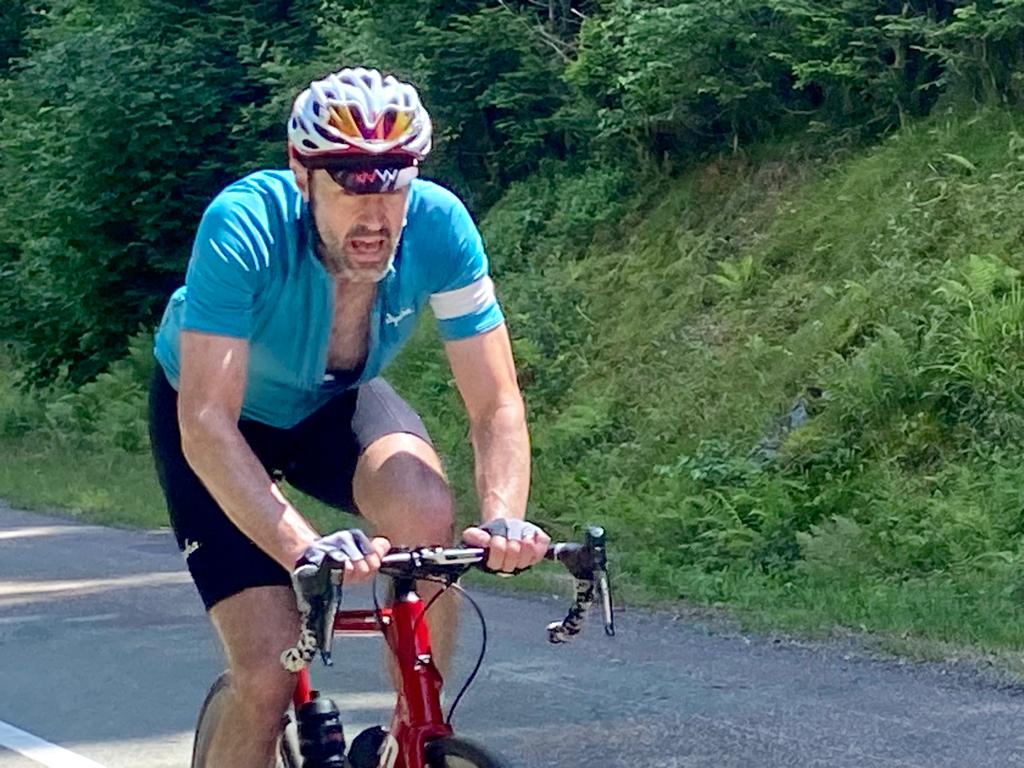
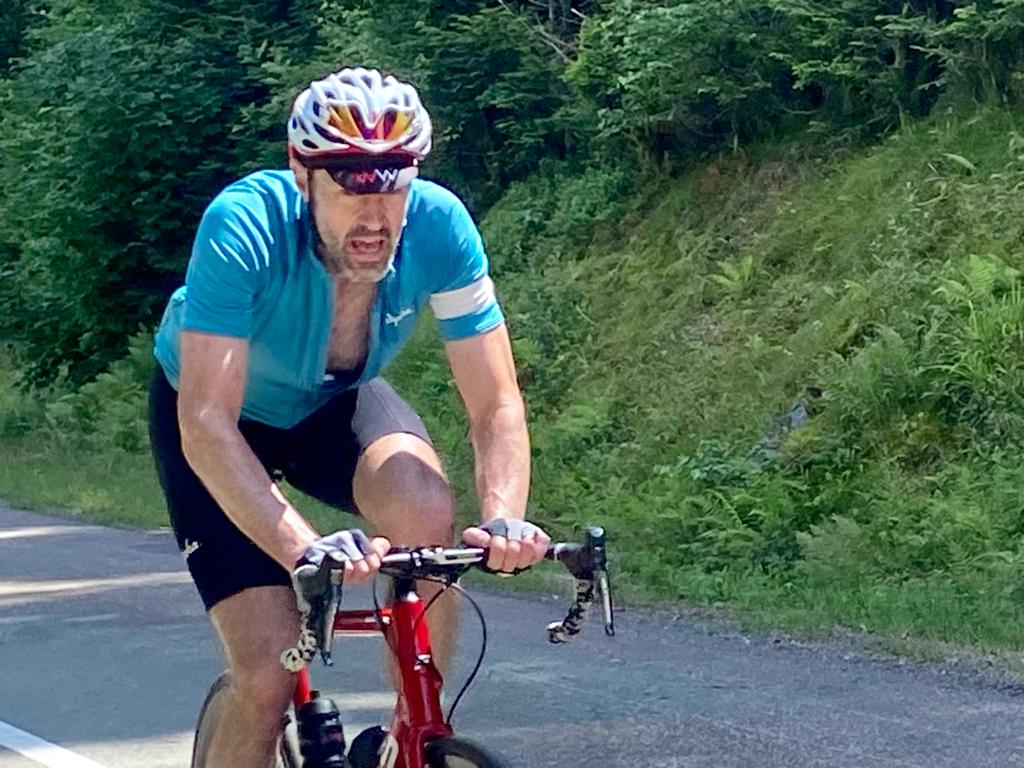
A team of cyclists will be attempting a huge 300-mile pedal round the Hampshire borders this weekend in aid of groundbreaking oesophageal cancer research.
And the University of Southampton professor behind the world-leading research is donning his lycra to take part.
Funds raised will go towards ongoing research that is cracking the code of why oesophageal cancer has such a high rate of recurrence. Seventy per cent of patients get it again.
Tim Underwood , Professor of Gastrointestinal Surgery, and his team based at University Hospital Southampton, have discovered a rare mutant cancer cell that remains – hidden – post-treatment in some patients, allowing the cancer to return.
Professor Underwood said: “These cells appear to be hidden from conventional methods of detection, they have the characteristics of cancer stem cells and they could be the reason that oesophageal cancer comes back in some patients where standard assessment suggests complete cancer eradication. This has profound implications for new treatment strategies that aim to spare patients surgery, our data questions the safety of this approach.” 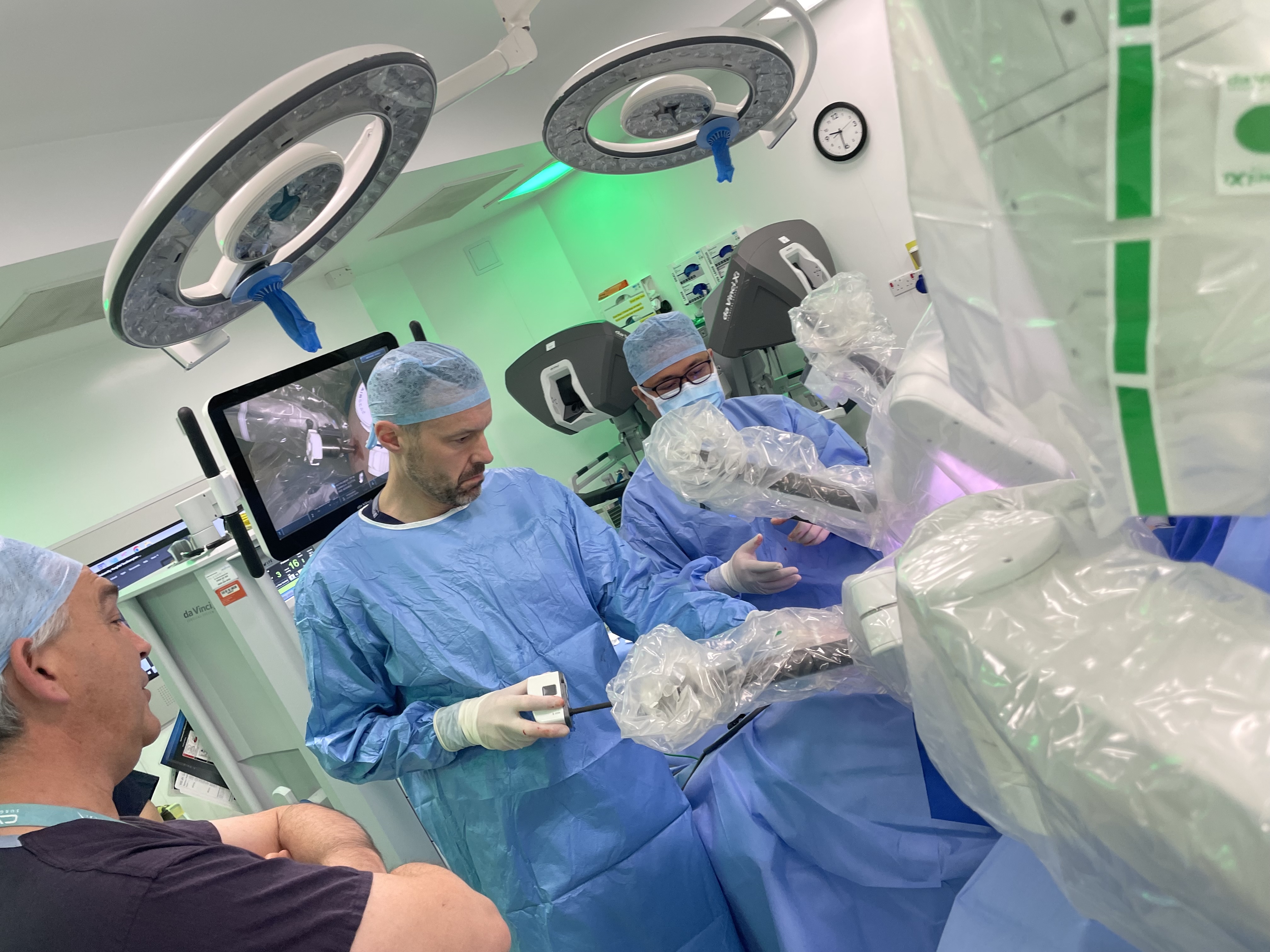
The two-day cycle challenge, on Saturday 20 and Sunday 21 July, has been organised by Nicola and Jeremy Packer (pictured below), from Alton, in aid of Professor Underwood’s research. Nicola was motivated to organise the challenge following her own fight against oesophageal cancer. She received her diagnosis in 2021, at the age of 53. What followed was a gruelling course of treatment, including radiotherapy, chemotherapy and major surgery performed by Professor Underwood to remove her oesophagus.
“At the end of my treatment, I said I would do anything in my power to help other people not go through the mill like I did,” she said.
Now a member of Professor Underwood’s Strategic Oversight Team, Nicola has visited his research labs. “I was so moved, looking at the work they do and the passion behind the team,” she said. They are on the cusp of some really important innovations that will be translated across cancer.” .jpg)
On the cycle challenge, Professor Underwood said: “I’m really delighted that Nicola and Jeremy are organising this to support our research, that’s a real honour and will support us in our mission to get the better of oesophageal cancer. I’m a fairly keen cyclist – but have to admit 300 miles is slightly out of my comfort zone!”
Nicola plans to join a ‘B Team’ of cyclists on Saturday, collaboratively riding at least 300 miles on spin bikes at Everyone Active in Alton, whilst Jeremy will join the B Team on Saturday and then take on the second 150 miles with Professor Underwood on Sunday.
To sponsor Professor Underwood, Nicola and Jeremy Packer, and the other cyclists, in aid of the University of Southampton’s Cancer Immunology Fund, visit their JustGiving page .